Feeding an exotic pet is nothing like feeding a cat or dog. Exotic species have highly specialized dietary needs shaped by millions of years of evolution — and getting it wrong is one of the leading causes of preventable death in captive animals. This guide covers everything you need to know to feed your exotic pet correctly, confidently, and safely.
1. Understanding Your Exotic Pet's Natural Diet
Before choosing what to feed, you must understand what your animal eats in the wild. Exotic pets fall into three broad dietary categories:
- Insectivores: Leopard geckos, crested geckos, chameleons, tarantulas, and scorpions eat live insects as their primary food source. They are not adapted to eat plant matter or processed foods.
- Omnivores: Bearded dragons, blue-tongued skinks, and box turtles eat a mix of insects, leafy greens, and occasional fruits. Balance is critical — too much fruit causes obesity; too little protein stunts growth.
- Herbivores: Tortoises (e.g., sulcata, Hermann's) eat exclusively plant matter — grasses, weeds, and leafy greens. High-protein diets cause shell deformities and organ damage in tortoises.
Misidentifying your animal's dietary category is the most common and most damaging feeding mistake. Always research your specific species, not just the genus.
2. Feeder Insects: Selection, Gut-Loading & Dusting
For insectivorous and omnivorous exotic pets, feeder insects are the cornerstone of the diet. Not all insects are equal in nutritional value.
Best Feeder Insects by Nutritional Profile
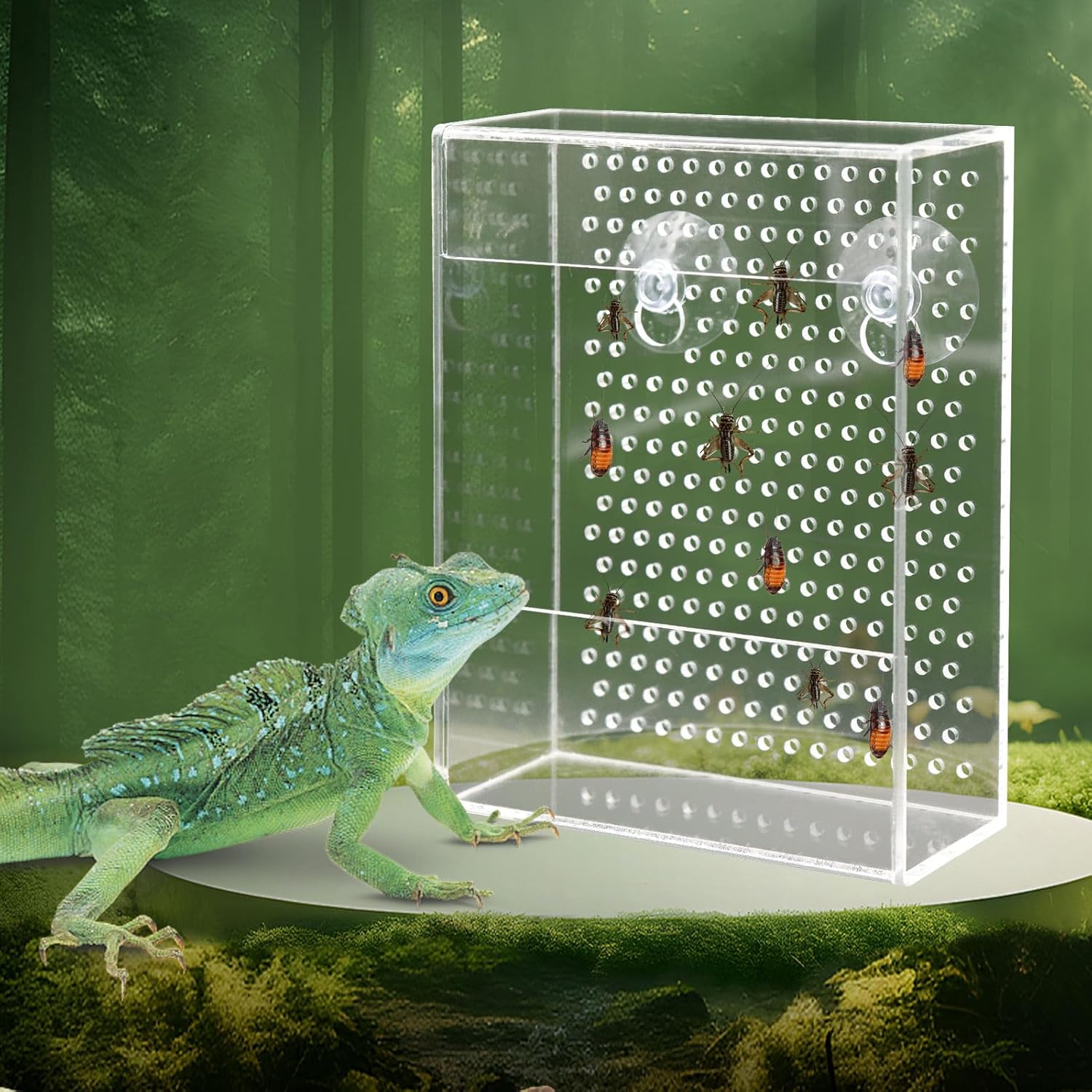
- Dubia roaches: High protein, low fat, excellent calcium-to-phosphorus ratio. The gold standard for most insectivores.
- Black soldier fly larvae (BSFL): Naturally high in calcium — one of the few feeders that doesn't require calcium dusting.
- Crickets: Widely available but nutritionally poor unless gut-loaded. High in phosphorus, which can deplete calcium stores over time.
- Mealworms: High in fat — suitable as an occasional treat only, not a staple. Can cause fatty liver disease if overfed.
- Waxworms: Extremely high fat content. Use sparingly as a treat or for underweight animals only.
Gut-Loading: The Most Overlooked Step
Gut-loading means feeding your feeder insects a nutritious diet 24–48 hours before offering them to your pet. A starved cricket has almost zero nutritional value. Gut-load with: collard greens, dandelion greens, sweet potato, squash, and commercial gut-load products. Avoid iceberg lettuce, citrus, and high-oxalate foods.
Calcium & D3 Supplementation
Dust feeder insects with calcium + D3 powder at every feeding for juveniles, and every other feeding for adults. Without adequate calcium and D3, reptiles develop Metabolic Bone Disease (MBD) — a painful, partially irreversible condition causing soft bones, tremors, and paralysis.
3. Feeding Schedules by Species
Overfeeding is as dangerous as underfeeding for exotic pets. Follow species-specific schedules:
- Juvenile bearded dragons: 3× daily, as many insects as they can eat in 10 minutes + daily leafy greens.
- Adult bearded dragons: 1× daily or every other day, 70% vegetables + 30% insects.
- Leopard geckos (juvenile): Every day, 5–7 appropriately sized insects.
- Leopard geckos (adult): Every 2–3 days, 6–8 insects.
- Tarantulas (spiderling): Every 5–7 days, 1–2 small crickets or fruit flies.
- Tarantulas (adult): Every 1–2 weeks, 1–3 appropriately sized prey items. Fasting for weeks or months before molting is completely normal.
- Sulcata tortoises: Daily, unlimited grasses and weeds. Supplement with calcium 3× per week.
- Chameleons: Every day (juveniles) or every other day (adults), 5–12 gut-loaded insects.
Important: Always remove uneaten live prey after 15–20 minutes. Live crickets left overnight can injure or stress your animal.
4. Hydration: The Most Underestimated Factor
Dehydration is a silent killer in exotic pet keeping. Many exotic species do not recognize standing water as a water source — they drink in ways specific to their natural environment.
- Chameleons & arboreal species: Drink water droplets from leaves. Mist their enclosure 2× daily and consider a drip system. They will rarely drink from a bowl.
- Bearded dragons & terrestrial reptiles: Provide a shallow water dish at all times. Many also absorb water through their skin during baths — soak juveniles 2–3× per week for 10–15 minutes.
- Tarantulas: Provide a small, shallow water dish at all times. Spiderlings can drown in deep dishes — use a bottle cap filled with water and a piece of cotton.
- Tortoises: Soak in shallow warm water 2–3× per week for 20–30 minutes. This stimulates drinking and supports kidney function.
Signs of dehydration: sunken eyes, wrinkled or loose skin, lethargy, and infrequent urination. Act immediately by increasing misting frequency and offering soaks.
👉 Keep your exotic pet hydrated with a reliable water source: PawPlayHub Automatic Reptile Water Dispenser — gravity-fed, BPA-free, 7-day capacity, perfect for bearded dragons, tortoises, and geckos.
5. Foods to Avoid
Some foods are toxic or harmful to exotic pets and must never be offered:
- Avocado: Toxic to most reptiles and birds.
- Rhubarb & spinach: High in oxalic acid, which binds calcium and causes deficiency over time.
- Fireflies & lightning bugs: Highly toxic to reptiles — even one firefly can kill a bearded dragon.
- Wild-caught insects: May carry pesticides, parasites, or pathogens. Always use captive-bred feeder insects.
- Dog or cat food: Not formulated for reptile metabolism. High protein content damages kidneys in tortoises and herbivorous lizards.
- Iceberg lettuce: No nutritional value and causes diarrhea. Use dark leafy greens instead (collard greens, mustard greens, dandelion greens).
6. Recognizing Feeding Problems
Exotic pets often hide illness until it becomes critical. Watch for these feeding-related warning signs:
- Sudden food refusal: Normal before molting (arthropods) or brumation (reptiles). Abnormal if accompanied by lethargy, weight loss, or swelling.
- Regurgitation: Indicates temperatures are too low (food cannot be digested), stress, or illness. Do not feed again for at least 2 weeks after regurgitation.
- Bloating or swelling: May indicate parasites, infection, or impaction from substrate ingestion. Requires veterinary attention.
- Rapid weight loss: Weigh your animal monthly using a kitchen scale. A 10%+ weight loss over 4 weeks warrants a vet visit.
Final Thoughts
Feeding exotic pets correctly requires research, consistency, and attention to detail — but it's also one of the most rewarding aspects of the hobby. When your bearded dragon eagerly chases a dubia roach or your chameleon delicately sips water droplets from a misted leaf, you know you've created an environment where they can truly thrive.
Start with the basics: identify your species' dietary category, source quality feeder insects, gut-load consistently, supplement with calcium and D3, and never underestimate hydration.
👉 Explore our full range of exotic pet supplies: PawPlayHub Exotic Pets Collection