
Exotic pets are unlike any other — they challenge us to learn, adapt, and appreciate the incredible diversity of the animal kingdom. From tarantulas and scorpions to chameleons and axolotls, keeping exotic species is both a science and an art. This guide dives deep into the professional knowledge every exotic pet owner needs to give their animal the best possible life.
1. Understanding Exotic Pet Biology
Before bringing any exotic species home, understanding its biology is non-negotiable. Unlike domesticated animals, exotic pets retain their wild instincts and physiological needs.
- Ectotherms (cold-blooded): Reptiles and arthropods cannot regulate their own body temperature. They rely entirely on their environment — meaning your enclosure setup directly controls their metabolism, digestion, immune function, and lifespan.
- Nocturnal vs. diurnal species: Many exotic pets (e.g., leopard geckos, tarantulas) are nocturnal. Forcing interaction during daylight hours causes chronic stress and suppresses immune response.
- Molting in arthropods: Tarantulas, scorpions, and stick insects shed their exoskeleton (ecdysis) to grow. During this period, they are extremely vulnerable — never feed or disturb a molting animal, as even a live cricket can fatally injure them.
2. Enclosure Design: Replicating the Natural Habitat
The enclosure is the single most important factor in exotic pet health. A poorly designed habitat leads to chronic stress, immunosuppression, and early death — even with perfect feeding.
- Temperature gradients: Always provide a warm side and a cool side. This allows thermoregulation — the animal moves between zones to self-regulate body temperature. A single uniform temperature is biologically incorrect.
- Humidity control: Tropical species (e.g., red-knee tarantulas, crested geckos) require 70–80% humidity. Arid species (e.g., emperor scorpions from savanna regions, bearded dragons) need 30–50%. Use a digital hygrometer, not guesswork.
- Substrate depth: Burrowing species such as trapdoor spiders and fat-tailed scorpions need substrate at least 3× their body length to exhibit natural behavior and reduce stress.
- UVB lighting: Diurnal reptiles (bearded dragons, chameleons, blue-tongued skinks) require UVB radiation for vitamin D3 synthesis and calcium metabolism. Without it, metabolic bone disease (MBD) develops within months.
👉 Find enclosures and habitat accessories in our Exotic Pets Collection.
3. Nutrition: Species-Specific Feeding Protocols
Exotic pets have highly specialized diets that cannot be approximated. Nutritional deficiencies are the leading cause of preventable death in captive exotic animals.
- Live prey gut-loading: Feeder insects (crickets, dubia roaches, mealworms) should be gut-loaded 24–48 hours before feeding. Their nutritional content directly transfers to your pet. A starved cricket offers almost zero nutrition.
- Calcium & D3 supplementation: Dust feeder insects with calcium + D3 powder at every feeding for juveniles, and every other feeding for adults. This is critical for reptiles under UVB lighting and essential for those without it.
- Feeding frequency by species: Juvenile reptiles typically eat daily; adults every 3–7 days. Tarantulas eat every 1–2 weeks as spiderlings, and adult females of some species (e.g., Goliath birdeater) may fast for months — this is normal, not a health concern.
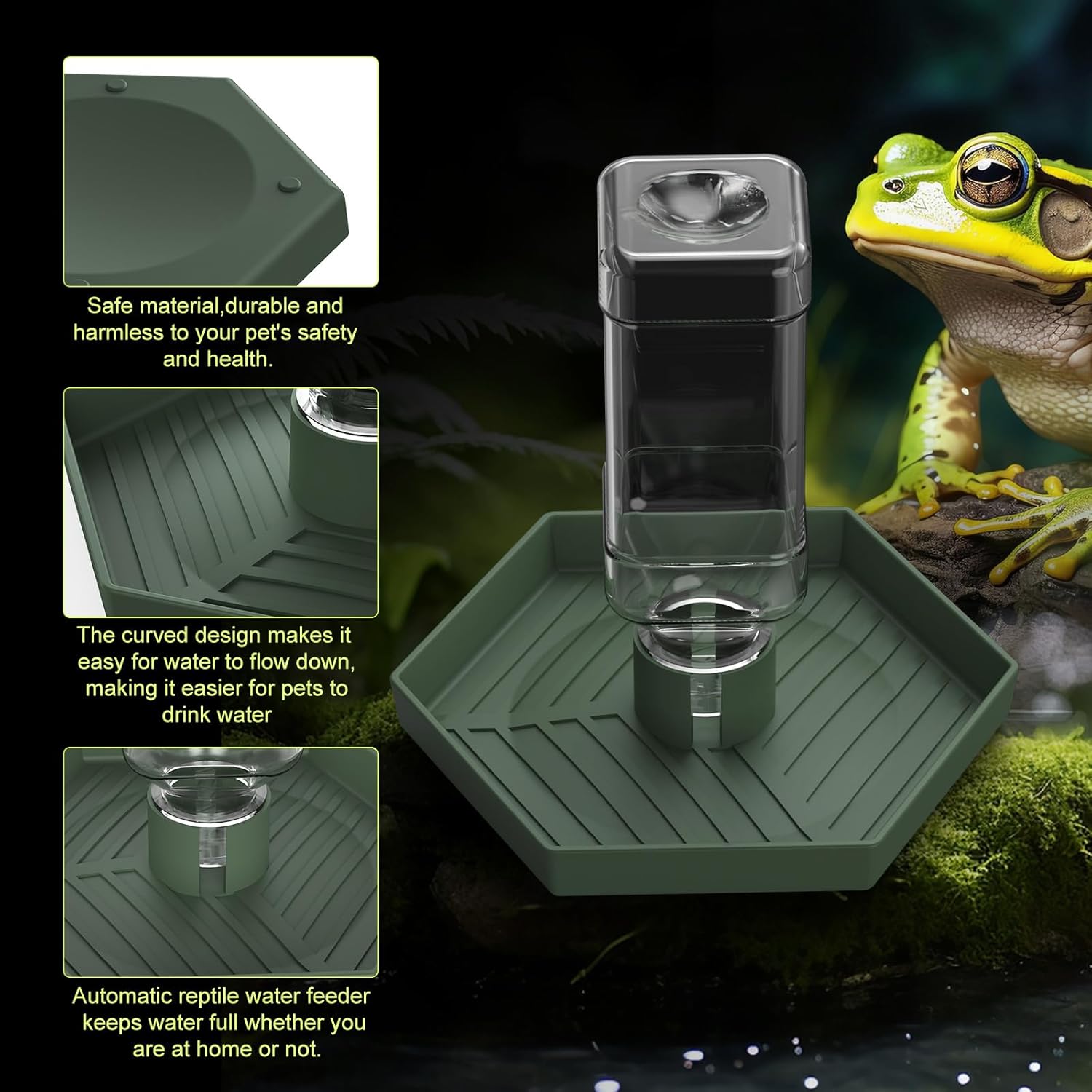
- Hydration methods: Many exotic species do not drink from standing water. Chameleons drink droplets from leaves; mist their enclosure twice daily. Arboreal tarantulas drink from water droplets on enclosure walls. Always provide a shallow water dish for terrestrial species.
4. Handling & Behavioral Stress
Improper handling is one of the most common mistakes exotic pet owners make. Unlike dogs, most exotic animals do not bond with humans and experience handling as a predator encounter.
- Acclimation period: New arrivals should not be handled for a minimum of 2 weeks. Allow the animal to settle, eat, and establish a sense of security before any interaction.
- Reading body language: A tarantula raising its front legs is in a threat posture — back off immediately. A chameleon turning dark and gaping is severely stressed. A scorpion with its tail raised is defensive. Learn your species' specific stress signals.
- Venomous species: Old World tarantulas (e.g., Poecilotheria, Haplopelma) have medically significant venom. Scorpions in the Androctonus and Leiurus genera can be lethal. These species should only be kept by experienced hobbyists with proper safety protocols.
5. Health Monitoring & Common Conditions
Exotic animals are prey species — they instinctively hide illness until it becomes critical. Proactive monitoring is essential.
- Dysecdysis (abnormal shedding): Caused by low humidity or nutritional deficiency. Retained shed on eyes (spectacles) in snakes can cause blindness. Soak the animal in lukewarm water and gently assist — never force shed skin off dry.
- Respiratory infections: Wheezing, mucus, or open-mouth breathing in reptiles indicates a respiratory infection, often caused by temperatures that are too low or humidity that is too high. Requires veterinary antibiotics.
- Metabolic Bone Disease (MBD): Soft jaw, tremors, and inability to support body weight in reptiles. Caused by calcium/D3 deficiency. Partially reversible with immediate supplementation and UVB correction.
- Dehydration: Sunken eyes, wrinkled skin, and lethargy are key indicators. Increase misting frequency and check water sources immediately.
6. Legal & Ethical Considerations
Exotic pet ownership carries significant legal and ethical responsibilities.
- CITES regulations: Many exotic species are protected under the Convention on International Trade in Endangered Species. Always verify that your animal is captive-bred and legally sourced — wild-caught animals carry parasites, extreme stress, and contribute to population decline.
- Local legislation: Venomous reptiles, large constrictors, and certain arthropod species are banned or require permits in many jurisdictions. Research your local laws before purchasing.
- Captive breeding support: Purchasing from reputable captive breeders rather than importers supports sustainable hobby practices and produces healthier, better-acclimated animals.
👉 Explore our Exotic Pets Collection for responsibly sourced supplies and habitat essentials for your exotic companion.
Final Thoughts
Keeping exotic pets is one of the most intellectually rewarding hobbies in the animal world — but it demands respect for the animal's biology, natural behavior, and wild origins. The more you invest in understanding your species, the more your animal will thrive. Start with thorough research, connect with experienced communities, and never stop learning.
Your exotic companion deserves an environment built on knowledge, not guesswork. Browse our Exotic Pets Collection to find the professional-grade supplies that make the difference.