
Best Bearded Dragon Food and Water Dish in 2026 (Tested & Ranked)
If you've ever watched a cricket disappear under your couch — or found mealworms in places they absolutely should not be — you already know the problem. Choosing the right bearded dragon food and water dish isn't just about aesthetics. It's about keeping your beardie fed, hydrated, and your sanity intact.
In this guide, we break down what actually matters when picking a reptile feeding bowl in 2026, which materials hold up over time, and which dish we recommend after hands-on testing.
Why the Right Bowl Matters for Bearded Dragons
Bearded dragons are active, curious reptiles. A shallow, lightweight dish is an invitation for disaster — tipped water, escaped feeders, and substrate contamination. The right bowl does three things:
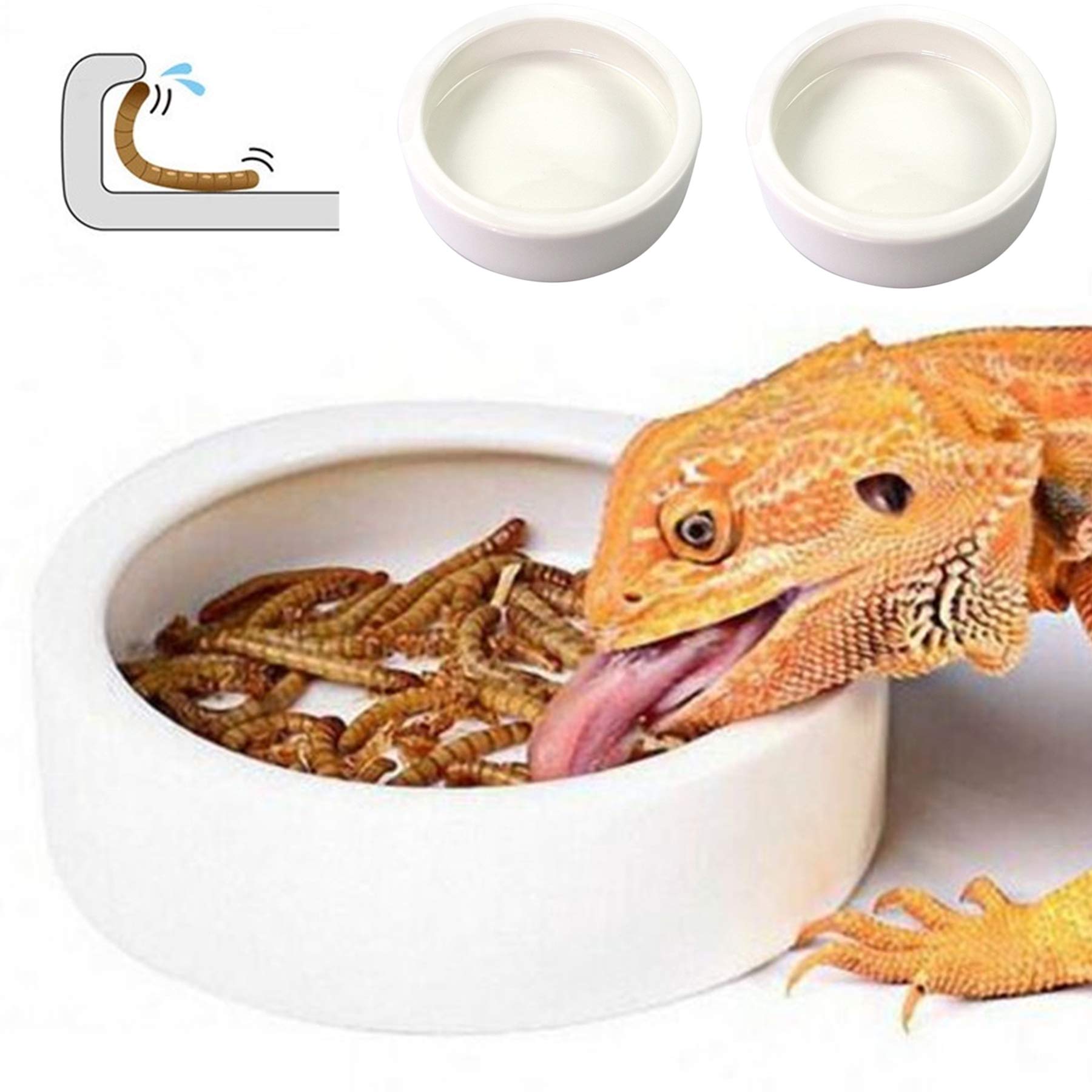
- Keeps live feeders contained — crickets and mealworms can't climb smooth ceramic walls
- Stays stable — heavy enough that your beardie can't flip it while foraging
- Is easy to clean — bacteria build-up in reptile bowls is a real health risk
Most cheap plastic bowls fail on at least two of these. Let's look at what the best options actually offer.
What to Look for in a Bearded Dragon Food and Water Dish
1. Material: Ceramic vs Plastic vs Resin
Ceramic is the gold standard for reptile bowls. It's heavy (won't tip), non-porous (won't harbor bacteria), and the smooth interior walls prevent live feeders from escaping. Plastic is lightweight and cheap, but scratches easily — those micro-scratches trap bacteria and make cleaning harder over time. Resin falls somewhere in between but often has rough textures that feeders can grip.
→ We cover this in depth in our guide: Ceramic vs Plastic Reptile Bowls — Which Is Actually Better?
2. Wall Height and Angle
For mealworm containment, you want walls at least 2 inches tall with a slight inward taper or perfectly smooth vertical sides. Crickets are trickier — no bowl is 100% cricket-proof, but a smooth-walled ceramic dish dramatically reduces escapes compared to textured plastic.
→ See also: How to Keep Mealworms from Escaping a Reptile Bowl
3. Size Relative to Your Dragon
A juvenile beardie (under 10 inches) needs a smaller dish — roughly 4–5 inches in diameter. Adults (16–24 inches) can use a 6–8 inch bowl comfortably. Too large and they'll walk through it; too small and food gets pushed out during feeding.
4. Dishwasher Safe or Easy Hand-Wash
You should be cleaning your beardie's food dish every 1–2 days. If it's not easy to clean, it won't get cleaned often enough. Ceramic bowls are typically dishwasher safe and don't retain odors the way plastic does.
Our Top Pick: PawPlayHub Ceramic Anti-Escape Bowl
After testing multiple options, the PawPlayHub Bearded Dragon Food and Water Dish stands out as the most practical all-around choice for 2026.
What We Like
- True anti-escape design — smooth ceramic walls with no texture for feeders to grip
- Weighted base — stays put even when a full-grown beardie is foraging aggressively
- Dual-purpose — works as both a food dish and a shallow water dish
- Easy to sanitize — dishwasher safe, non-porous glaze doesn't absorb bacteria
- Natural aesthetic — blends into bioactive and naturalistic enclosure setups
Specs at a Glance
- Material: Food-grade ceramic
- Wall height: Designed to contain mealworms and small crickets
- Safe for: Bearded dragons, leopard geckos, blue-tongue skinks, and other medium reptiles
- Cleaning: Dishwasher safe
It's not the cheapest option on the market — but it's the one that actually works, and it won't need replacing every few months like a plastic bowl will.
How to Use a Water Dish for Bearded Dragons
Many new beardie owners skip the water dish entirely, assuming their dragon gets all hydration from food. That's partially true — but a shallow water dish still plays an important role, especially during shedding season.
- Keep water depth shallow (under 1 inch) — bearded dragons can drown in deep water
- Change water daily — bacteria multiply quickly in a warm enclosure
- Don't be surprised if your beardie ignores it — many prefer to drink during baths or from misting
- Place the dish on the cool side of the enclosure to slow bacterial growth
→ Learn more: How Often Should Bearded Dragons Drink Water?
Common Mistakes When Choosing a Reptile Bowl
- Buying too light — a bowl that tips is worse than no bowl
- Choosing textured interiors — any texture gives feeders a foothold to escape
- Using one bowl for everything — use separate dishes for live feeders, greens/veggies, and water
- Ignoring size — a bowl that's too deep can stress a juvenile dragon
→ See our full breakdown: 7 Common Bearded Dragon Feeding Mistakes (and How to Fix Them)
Final Verdict
The best bearded dragon food and water dish in 2026 is one that's heavy enough to stay put, smooth enough to contain feeders, and easy enough to clean that you'll actually do it regularly. Ceramic wins on all three counts.
The PawPlayHub Ceramic Anti-Escape Bowl is our top recommendation — it's purpose-built for reptile feeding, not repurposed from a kitchen supply store. If you want a bowl that works the first time and keeps working, this is it.
Ready to upgrade your beardie's setup?
The PawPlayHub Ceramic Anti-Escape Bowl is designed specifically for reptile feeding — smooth walls, weighted base, dishwasher safe. No more escaped mealworms. No more tipped water dishes.
Shop the Bowl →Frequently Asked Questions
What size food dish does a bearded dragon need?
Juveniles (under 10 inches) do well with a 4–5 inch diameter dish. Adult bearded dragons (16–24 inches) typically need a 6–8 inch bowl. The dish should be wide enough for them to access food easily without stepping through it.
Can bearded dragons use the same bowl for food and water?
Technically yes, but it's not ideal. Live feeders can contaminate water quickly, and a wet bowl can make greens soggy. Using separate dishes for live feeders, vegetables, and water is the best practice for hygiene and feeding success.
How do I stop mealworms from escaping the bowl?
Use a smooth-walled ceramic bowl with walls at least 2 inches tall. Mealworms cannot grip smooth ceramic surfaces. Avoid textured plastic or resin bowls — the surface gives worms enough traction to climb out.
Is ceramic safe for bearded dragons?
Yes — food-grade ceramic is non-toxic, non-porous, and doesn't leach chemicals when exposed to heat or moisture. Always choose bowls labeled food-safe or pet-safe.
How often should I clean my bearded dragon's food dish?
Clean the food dish every 1–2 days, and the water dish daily. Warm enclosures accelerate bacterial growth. Ceramic bowls can go in the dishwasher for a thorough sanitize once a week.
Do bearded dragons need a water dish in their enclosure?
It's recommended but not strictly required. Many bearded dragons prefer to drink during baths or from misting rather than a standing dish. However, a shallow water dish (under 1 inch deep) provides an option and helps with humidity during shedding.