Bearded dragons are one of the most rewarding reptiles to keep — but getting their feeding setup right is the foundation of a long, healthy life. Whether you're a first-time beardie owner or upgrading your habitat, choosing the right food bowl, feeding dish, and water supply can make a real difference in your dragon's health and happiness.
In this guide, we break down everything you need to know about bearded dragon feeding equipment, from the best food bowls to hydration essentials.
Part 1: Feeding Bowls & Dishes — The #1 Priority for Bearded Dragon Care
Feeding is the most frequent interaction you'll have with your bearded dragon, so getting the right bowl or dish is non-negotiable.
Why the Right Food Bowl Matters
Bearded dragons are opportunistic feeders in the wild — they eat insects, leafy greens, and occasional fruits. In captivity, a proper feeding dish helps you:
- Contain live feeders (dubia roaches, crickets) so they don't escape into the enclosure
- Keep salads and greens fresh and off the substrate
- Prevent substrate ingestion, a leading cause of impaction
- Make portion control and monitoring easy
Types of Bearded Dragon Food Bowls
1. Smooth-Sided Feeder Bowls (for Live Insects)
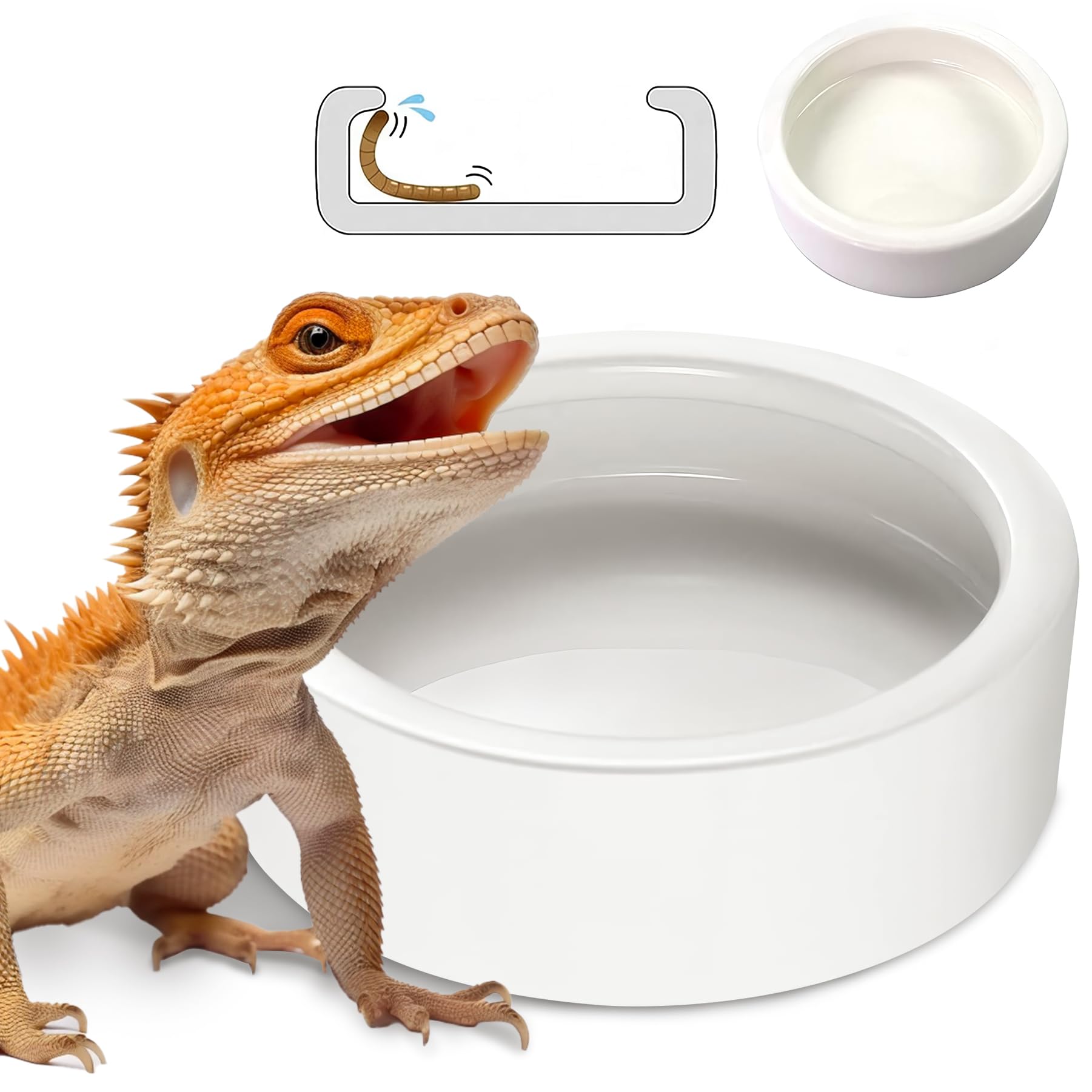
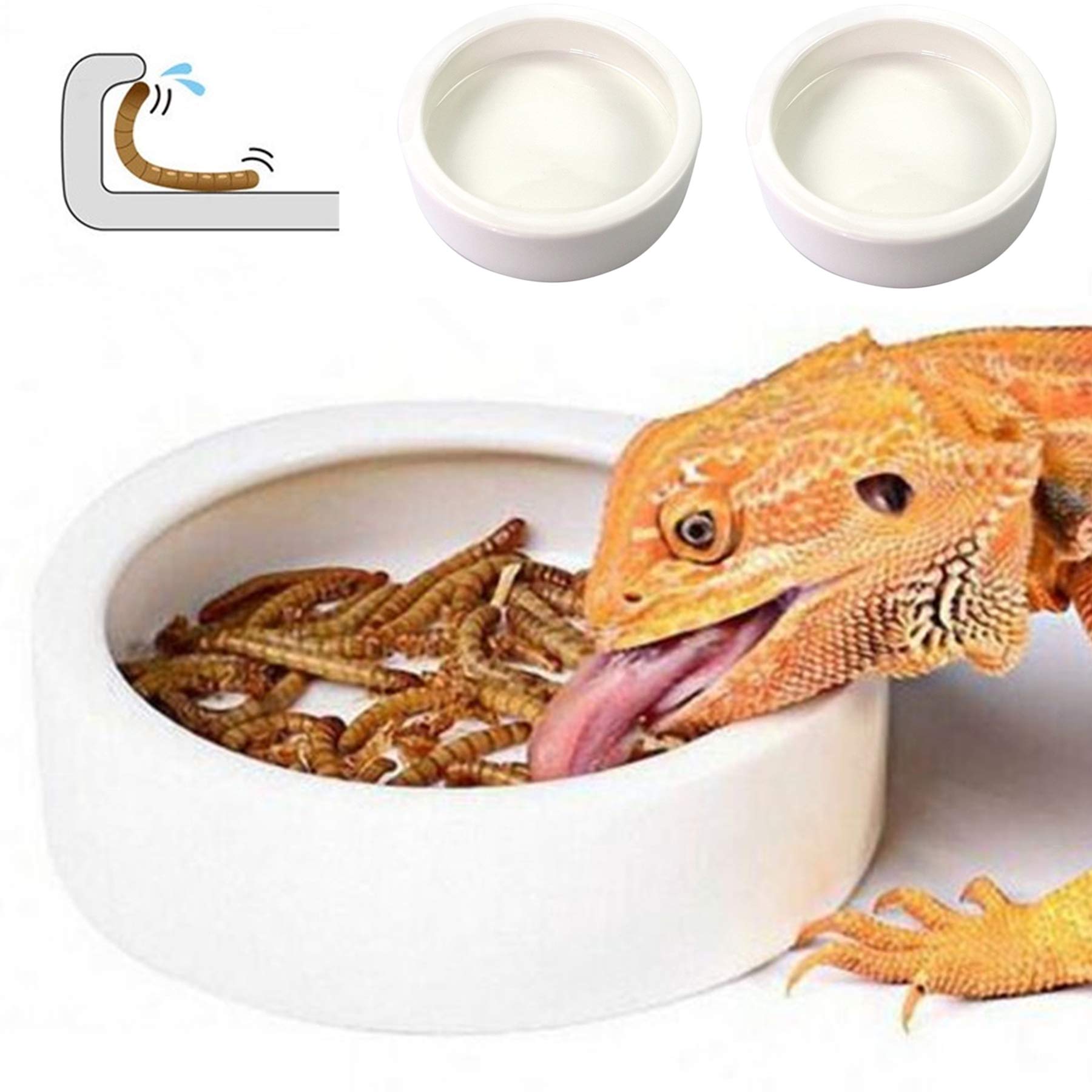
These are specifically designed with slippery interior walls so live feeders like dubia roaches and crickets can't climb out. Our PawPlayHub Bearded Dragon Ceramic Anti-Escape Bowl is a perfect example — deep enough to contain feeders, with a smooth glazed interior that keeps crickets and roaches where they belong. Look for bowls that are:
- At least 3–4 inches deep to prevent escapes
- Wide enough for your dragon to comfortably reach in
- Made from food-safe, non-porous materials like ceramic or smooth plastic
2. Salad & Greens Dishes
For leafy greens, vegetables, and fruit, a shallow, wide dish works best. Your beardie should be able to see and access the food easily. Ceramic dishes are ideal — they're heavy enough not to tip, easy to clean, and don't harbour bacteria like porous materials can. The PawPlayHub Ceramic Food & Water Dish doubles as an excellent salad bowl, with a wide opening that makes greens easy to access.
3. Calcium Supplement Dishes
A small, dedicated dish for loose calcium powder is a smart addition to any bearded dragon setup. Beardies can self-regulate their calcium intake when given free access — a small ramekin-style dish works perfectly.
Best Materials for Bearded Dragon Feeding Bowls
- Ceramic: Heavy, non-porous, easy to sanitise, and aesthetically pleasing. Our top recommendation — see our Ceramic Anti-Escape Bowl for a premium option.
- Stainless steel: Durable and hygienic, though can reflect heat lamps uncomfortably.
- Food-safe plastic: Lightweight and affordable, but replace regularly as scratches harbour bacteria.
- Avoid: Painted or glazed bowls with unknown coatings, and any porous materials like unfinished wood.
Sizing Guide
Match the bowl size to your dragon's life stage:
- Juveniles (0–6 months): Small dish, 3–4 inches diameter
- Sub-adults (6–12 months): Medium dish, 4–5 inches diameter
- Adults (12+ months): Large dish, 5–7 inches diameter
If you keep multiple reptiles, the PawPlayHub Resin Feeding Bowl 2-Pack is a cost-effective way to set up dedicated food and water stations side by side — suitable for bearded dragons, geckos, hermit crabs, and lizards.
Placement Tips
Position food bowls in the warm zone of the enclosure (not directly under the basking spot, but nearby). This keeps food at an appropriate temperature and encourages natural foraging behaviour. Avoid placing bowls directly on cold substrate in the cool zone, as this can slow digestion.
Part 2: Water & Hydration Supplies — The Essential Second Layer
Bearded dragons come from arid Australian environments, so their relationship with water is different from most pets. They don't drink from standing water instinctively — but hydration is still critical to their health.
Do Bearded Dragons Need a Water Bowl?
Yes — with caveats. While beardies rarely drink from a bowl the way a dog or cat would, a shallow water dish in the enclosure serves several important purposes:
- Provides a drinking opportunity if your dragon chooses to use it
- Adds a small amount of ambient humidity (beneficial during shedding)
- Can be used for brief soaking sessions directly in the enclosure
Choosing the Right Water Dish
The key word for bearded dragon water dishes is shallow. Deep water bowls are a drowning risk, especially for juveniles. The PawPlayHub Resin Water Dish & Food Bowl 2-Pack is designed with exactly this in mind — a low-profile, wide base that's safe for juveniles and adults alike. Look for:
- Depth: No deeper than the height of your dragon's elbow when standing — typically 1–1.5 inches for adults
- Width: Wide enough for your dragon to step into for a soak if desired
- Non-slip base: Prevents tipping and gives your beardie confidence when approaching
- Easy to clean: Water dishes need daily cleaning to prevent bacterial growth
Alternative Hydration Methods
Many experienced keepers supplement or replace the water bowl with these proven hydration techniques:
- Misting: Lightly mist your dragon's snout 2–3 times per week. They'll lick the droplets off — mimicking how they drink dew in the wild.
- Warm baths: A 10–15 minute soak in shallow warm water (2–3 times per week) is one of the best ways to hydrate your beardie and support healthy shedding.
- Hydrating foods: Cucumber, watermelon, and leafy greens like romaine lettuce have high water content and contribute to daily hydration.
- Automatic dispensers: For busy keepers, the PawPlayHub Automatic Reptile Water Dispenser (250ml, BPA-free) ensures a constant fresh water supply without daily refilling — ideal for turtles and lizards too.
Water Quality Matters
Always use dechlorinated or filtered water for your bearded dragon — both in their dish and for baths. Tap water chlorine and chloramines can irritate their skin and digestive system over time. A simple reptile water conditioner or a 24-hour standing period for tap water is sufficient.
Cleaning & Maintenance: Keeping Bowls Safe
Reptile enclosures can harbour salmonella and other bacteria, so bowl hygiene is non-negotiable:
- Wash food and water bowls daily with hot water and reptile-safe dish soap
- Disinfect weekly with a diluted F10 solution or reptile-safe disinfectant
- Replace plastic bowls every 3–6 months as scratches accumulate
- Never share bowls between different reptiles without full sterilisation
Quick-Reference: Bearded Dragon Bowl Checklist
- ✅ Smooth-sided feeder bowl for live insects
- ✅ Wide, shallow salad dish for greens and vegetables
- ✅ Small calcium supplement dish
- ✅ Shallow water dish (max 1–1.5 inches deep)
- ✅ All bowls made from food-safe, non-porous materials
- ✅ Sized appropriately for your dragon's life stage
- ✅ Cleaned daily, disinfected weekly
Final Thoughts
A well-fed, well-hydrated bearded dragon is an active, curious, and long-lived companion. Investing in the right feeding bowls and water dishes is one of the simplest and most impactful things you can do for your beardie's wellbeing.
Ready to upgrade your setup? Browse our full range of reptile feeding and watering essentials:
- PawPlayHub Bearded Dragon Ceramic Anti-Escape Bowl — premium ceramic, anti-escape design for live feeders
- PawPlayHub Resin Feeding Bowl 2-Pack — versatile food & water combo for multiple reptile species
- PawPlayHub Automatic Reptile Water Dispenser — BPA-free, 250ml, hands-free hydration